

The Spiritual Significance of Kedarnath: Why Every Shiva Devotee Dreams of Visiting
The spiritual significance of Kedarnath is what draws millions of devotees deep into the Himalayas each year. Kedarnath is breathtakingly beautiful, but pilgrims do not make this difficult journey simply for the view. They come because this landscape is sacred. Devotees revere Kedarnath as one of the 12 Jyotirlingas of Lord Shiva, and the shrine also has a deep connection with the story of the Pandavas. For many devotees, experiencing the Kedarnath Yatra is not simply about visiting a temple. The journey itself becomes part of the prayer.
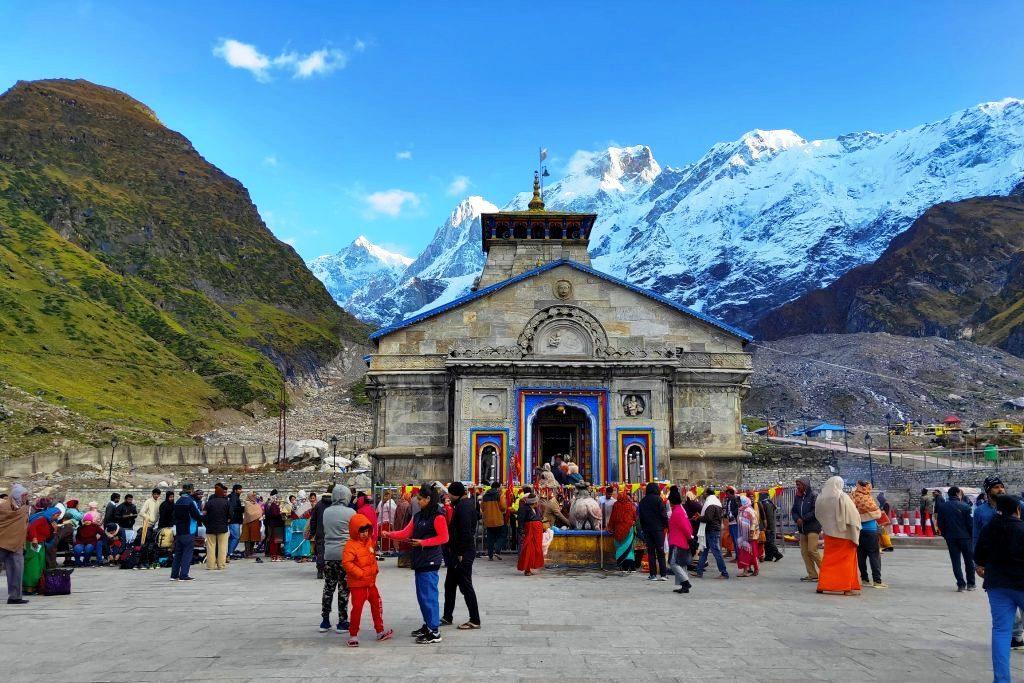
The Pandavas, Lord Shiva and the Spiritual Significance of Kedarnath
One of the most important legends associated with Kedarnath comes from the Mahabharata. According to tradition, after the Kurukshetra war, the Pandavas sought Lord Shiva as they wished to atone for the bloodshed of the war. Lord Shiva, however, initially avoided them and took the form of a buffalo. When Bhima recognised him, Shiva disappeared into the earth and later manifested in different forms at five places in the Himalayas. Tradition holds that the hump appeared at Kedarnath, while other parts manifested at Tungnath, Rudranath, Madhmaheshwar and Kalpeshwar. Together, these five sacred Shiva temples form the Panch Kedar. This ancient tradition continues to be an important part of the religious significance of Kedarnath today.

Why Is Kedarnath So Spiritually Significant?
Hindu tradition regards Kedarnath as one of the 12 Jyotirlingas and one of India’s most sacred shrines of Lord Shiva. But its spiritual importance goes beyond the temple itself. Its location high in the Garhwal Himalayas creates an atmosphere unlike almost anywhere else. For thousands of years, the Himalayas have occupied a special place in Hindu spiritual thought. Hindu tradition associates the Himalayas with stillness, austerity, meditation and the search for the divine. Lord Shiva himself is inseparable from the imagery of the Himalayas. At Kedarnath, that symbolism suddenly becomes something you can see and experience. There is the ancient stone temple. Enormous mountains rise behind it. The cold Himalayan air surrounds you. Temple bells and prayers fill the atmosphere. Above all, there is a remarkable feeling of being far removed from ordinary daily life.
Why the Kedarnath Yatra Is Part of the Spiritual Journey
If Kedarnath Temple stood beside a major highway, the experience would probably feel very different. Part of the spiritual significance of Kedarnath comes from the effort required to reach it. There is the long journey into the mountains. The early start. The Kedarnath trek from Gaurikund. The changing Himalayan weather. The tired legs. The sound of fellow pilgrims chanting along the route. Every stage of the journey creates a little more distance from normal everyday routine. That is one reason a yatra is different from an ordinary holiday. A tourist may ask: “What will I see?” A pilgrim may also ask: “What will this journey teach me?”
Darshan at Kedarnath
After travelling for so many hours and making the journey into the Himalayas, the actual moment of darshan inside Kedarnath Temple may be relatively brief. But length is not what determines its significance.
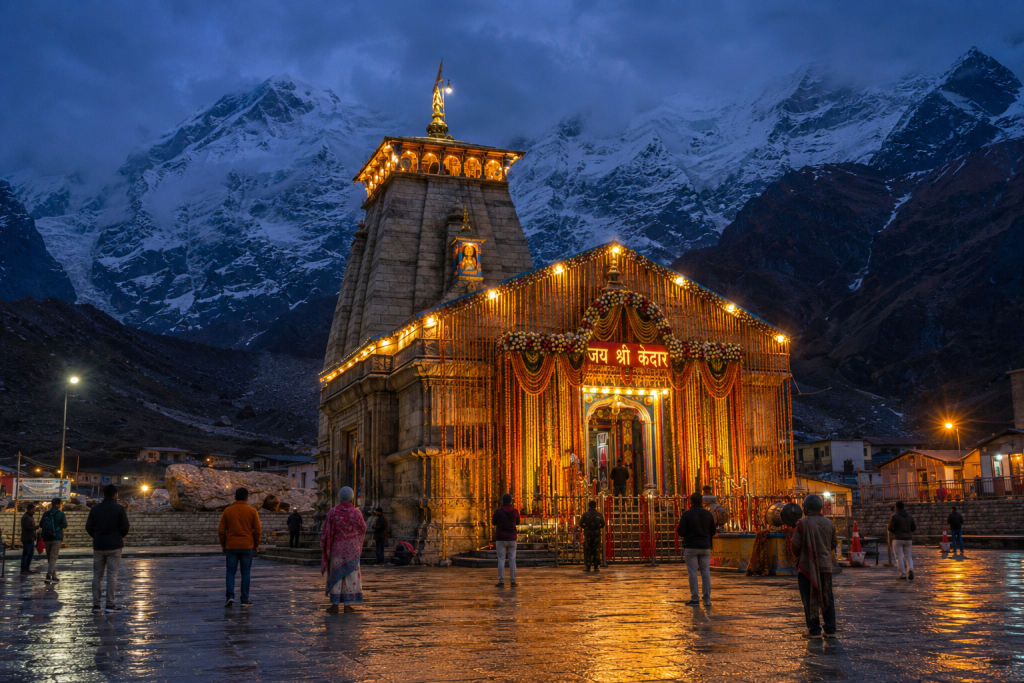
Thousands of devotees wait patiently for the opportunity to enter the temple, stand before Kedarnath Ji and offer their prayers. For many, it is a moment they have imagined for years. There is something powerful about knowing that generations of pilgrims before you have stood in the same Himalayan valley seeking the blessings of Lord Shiva. And through the mountains, the temple bells and the voices of pilgrims, one prayer continues to be heard: Om Namah Shivaya.
Kedarnath Teaches Humility
The Himalayas have a way of reminding us how small we are. A mountain does not care about our job title, possessions or status. Weather can change the best-made schedule. A steep trail can slow even a strong walker. A simple room can suddenly feel luxurious after a long day’s journey. Plans sometimes have to change. We learn to wait. Gradually, we learn to adapt. The journey also teaches us to accept what cannot be controlled. And perhaps we become a little more grateful for things we normally take for granted. These lessons may be another reason why the Kedarnath Yatra leaves such a deep impression on pilgrims.
More Than Reaching a Destination
People sometimes say: “I completed Kedarnath.” But perhaps a pilgrimage is never something we simply complete. We may finish the trek. Darshan may last only a few precious moments. Eventually, we return home. But something from the journey often remains with us. A memory of temple bells. A glimpse of snow-covered Himalayan peaks. The sight of Kedarnath Temple appearing ahead after a long journey. A moment of silence. A prayer. For some, it may simply be the feeling of having reached a place they had dreamed of visiting for many years. That is why devotees continue to make the journey to Kedarnath generation after generation. Not because it is easy. But because some journeys are meaningful precisely because they ask something of us.
Har Har Mahadev.