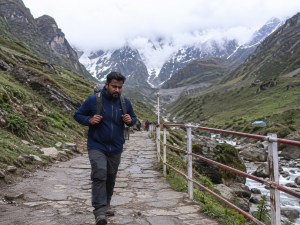

A Journey to One of Lord Shiva’s Most Sacred Abodes
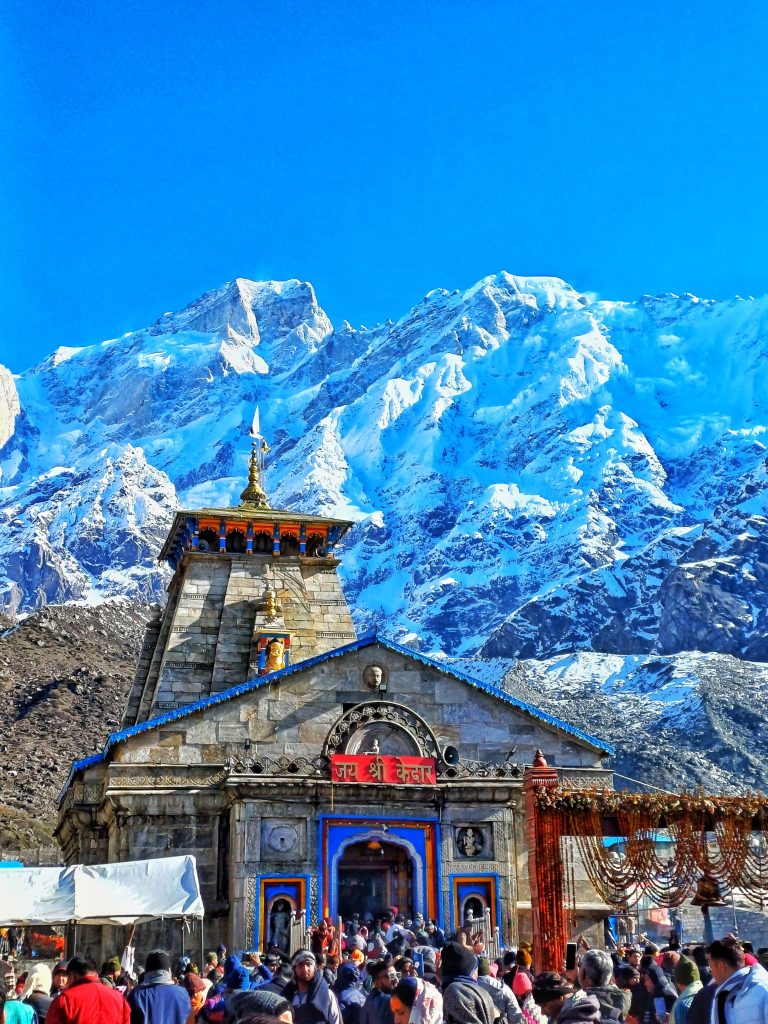
High in the Garhwal Himalayas of Uttarakhand stands one of India’s most revered temples — Kedarnath Temple, dedicated to Lord Shiva. For many devotees, the Kedarnath Yatra is not simply another holiday or sightseeing trip. It is a yatra — a journey undertaken with faith, patience and devotion.
Surrounded by towering Himalayan peaks, Kedarnath is among the 12 Jyotirlingas of Lord Shiva and is also part of Uttarakhand’s Char Dham pilgrimage. Reaching this sacred shrine requires effort. There are long mountain drives, changing weather conditions and, for most pilgrims, a trek through the Himalayas. Yet it is precisely this journey that makes arriving at Kedarnath so memorable.
If you are considering your first Kedarnath Yatra, here are some of the most important things to know before you go. You can also view our Kedarnath–Badrinath pilgrimage package for details of our upcoming departure.
Where Does the Kedarnath Yatra Take You?
Kedarnath is located in the Rudraprayag district of Uttarakhand in northern India. The temple stands at an altitude of approximately 3,580 metres, surrounded by spectacular Himalayan scenery. Unlike many temples that can be reached directly by road, there is no road all the way to Kedarnath Temple. Vehicles normally proceed towards Sonprayag, after which pilgrims continue towards Gaurikund, the traditional starting point of the Kedarnath trek.
How Long Is the Kedarnath Yatra Trek?
The official Uttarakhand Tourism website describes the trek from Gaurikund to Kedarnath as approximately 16 km and classifies it as a medium-to-steep trek. For someone who regularly walks or exercises, that may sound manageable. However, trekking in the Himalayas is very different from walking the same distance on level ground. The increasing altitude, uphill sections, colder temperatures and changing weather all affect the pace. There is no prize for reaching Kedarnath quickly. A yatra should be approached steadily and comfortably.
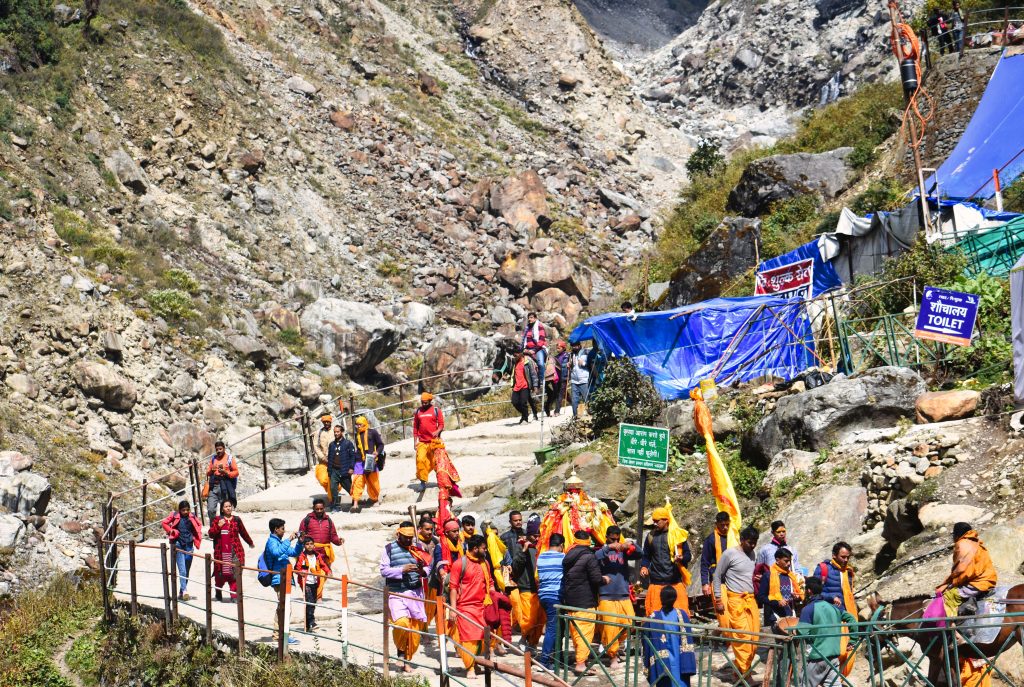
Do You Have to Walk?
No. Pilgrims who cannot or prefer not to complete the entire trek on foot may have alternatives such as ponies and palki/doli services, subject to local availability and operating conditions. Helicopter services also operate on the Kedarnath sector during the pilgrimage season, but flights are highly dependent on weather and operational conditions. Even pilgrims using assisted transport should expect some walking, waiting and uneven surfaces during the journey.
When Is the Best Time for the Kedarnath Yatra?
The Kedarnath Yatra takes place during a limited period each year, as Kedarnath Temple is not open throughout the year. Because of heavy winter snowfall, the temple closes for winter and reopens during the warmer pilgrimage season. Uttarakhand Tourism generally lists May to October as the main period for visiting Kedarnath. Conditions vary considerably within that period. May and June are popular months, while the monsoon period requires greater attention to road and weather conditions. September and early autumn can offer beautiful Himalayan views, although temperatures become colder, particularly early in the morning and at night. The mountains ultimately decide the conditions, so flexibility is important.
What Is the Weather Like?
One of the biggest mistakes first-time pilgrims make is assuming the weather will remain the same throughout the journey. Temperatures at lower-altitude places such as Haridwar or Rishikesh can be completely different from conditions at Kedarnath. At Kedarnath, the weather may change quickly. A clear morning can become cloudy or cold later in the day. Rain is also possible. This is why layered clothing is usually more practical than relying on one very heavy garment. A warm jacket, thermal layer, rain protection, gloves, cap and suitable trekking shoes can make the journey much more comfortable.
Registration for the Yatra
Pilgrims undertaking the Char Dham Yatra are required to complete the Uttarakhand Yatra Registration. As a valued customer of Hamsa Vahini Travel & Tours, we will handle the necessary registration and documentation on your behalf.
What Should You Carry for the Kedarnath Yatra?
When packing for Kedarnath, the guiding principle is simple Carry what you need, but do not overpack. Keep frequently needed items easily accessible rather than buried inside your main luggage. Useful items include:
- Comfortable trekking shoes
- Warm layers
- Thermal wear
- Light rain protection
- Gloves and warm cap
- Personal medicines
- Small snacks or dry fruits
- Power bank
- Personal identification and travel documents
- Small backpack
Accommodation at Kedarnath
Accommodation around Kedarnath is generally simpler than what many travellers may be accustomed to in major Indian cities. This is a remote Himalayan pilgrimage destination where supplies and services must reach the mountains under difficult conditions. Go with realistic expectations.
The purpose of staying at Kedarnath is not luxury. It is to experience one of India’s most sacred Himalayan destinations. For those who can, spending a night at Kedarnath can create an entirely different experience from rushing up and returning on the same day. As crowds reduce and the mountains become quieter, the atmosphere around the temple can feel especially peaceful.
How to Prepare for the Kedarnath Yatra
You do not need to become an athlete before undertaking the Kedarnath Yatra. However, basic preparation helps. Regular walking in the weeks before departure, particularly on gentle inclines or stairs, can help your body become accustomed to sustained activity. Anyone with medical concerns should seek appropriate medical advice before undertaking a high-altitude pilgrimage. Equally important is mental preparation. Mountain journeys rarely run exactly according to the clock. Traffic, weather, queues and local conditions can change a day’s schedule. From our experience organising Kedarnath pilgrimages, we recommend that first-time yatris remain flexible, as mountain weather and local conditions can sometimes affect the day’s arrangements. Patience is part of the yatra.
The Moment You Finally See Kedarnath
After hours of travelling through valleys and climbing deeper into the Himalayas, the first sight of Kedarnath can be difficult to describe. The stone temple appears against an enormous wall of mountains. For some pilgrims, it brings excitement. For others, silence. For many devotees, simply standing before Kedarnath Ji after making the journey is itself the blessing. That is what makes Kedarnath different. You may begin the journey thinking about the distance, the cold and the trek. But you may return remembering something entirely different.
Har Har Mahadev.
Planning your Kedarnath–Badrinath Yatra from Malaysia? Hamsa-Vahini Travel & Tours has been connecting travellers with India for over three decades. Contact us to learn more about our upcoming pilgrimage departures.
You May Also Like
- Kedarnath Yatra for First-Time Pilgrims: A Complete Guide
- How Difficult Is the Kedarnath Yatra? What Pilgrims Should Know
- Best Time to Visit Kedarnath
- Kedarnath Yatra Packing Guide: What to Carry