

One is dedicated to Lord Shiva, while the other is dedicated to Lord Vishnu. One requires a journey into the mountains and a trek to reach the temple, while the other lies within a dramatic Himalayan valley accessible by road. Together, the Kedarnath and Badrinath Yatra offers pilgrims the opportunity to visit two of Uttarakhand’s most sacred Himalayan shrines in one remarkable journey. Although Kedarnath and Badrinath offer very different experiences, both form an important part of the spiritual landscape of Uttarakhand, often called Devbhoomi — the Land of the Gods.
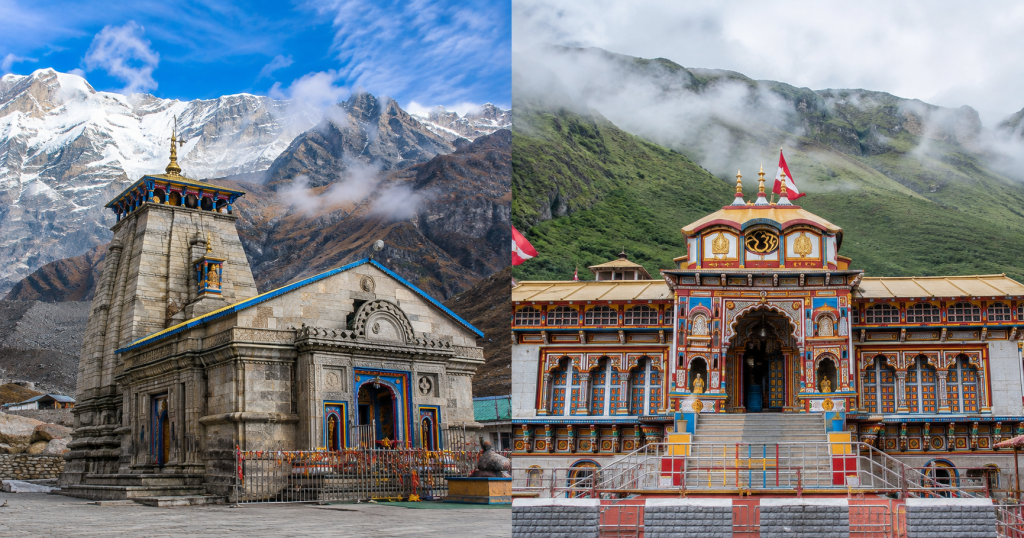
Kedarnath — The Sacred Abode of Lord Shiva
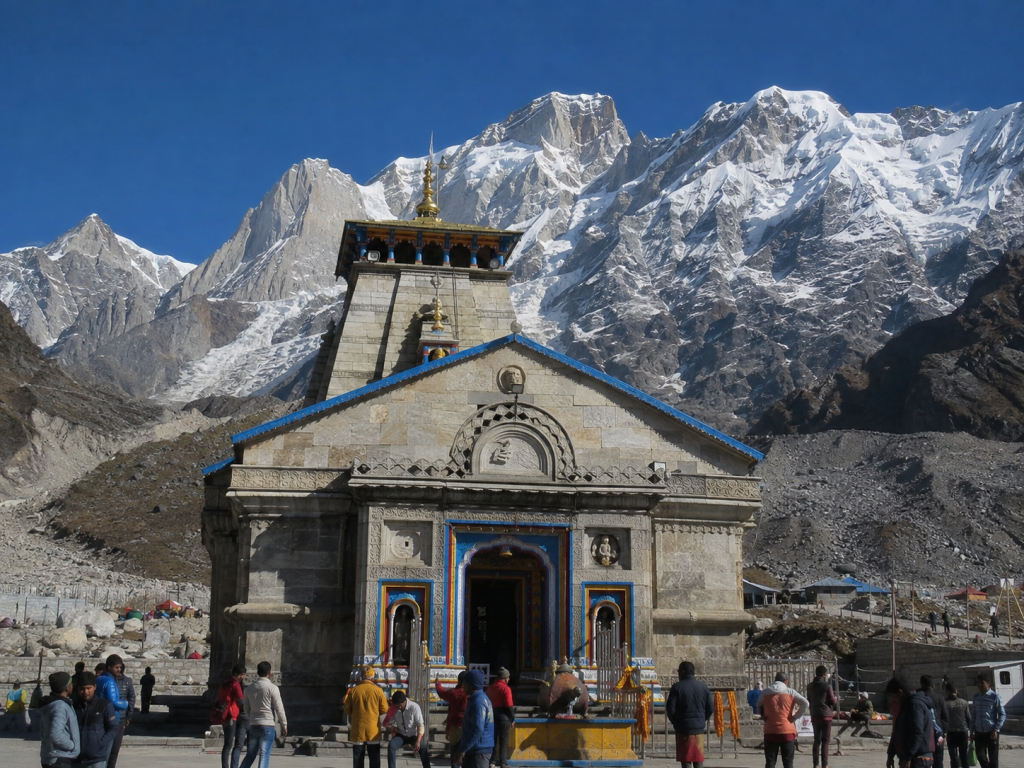
Kedarnath is revered as one of the 12 Jyotirlingas of Lord Shiva and is among the most important Shiva temples in India. Its remote Himalayan location gives the shrine a character unlike almost any other major temple. Reaching Kedarnath requires effort, particularly for pilgrims travelling from Gaurikund along the mountain route towards the temple. After hours of travelling through the Himalayas, the first sight of the ancient stone temple beneath the towering mountains can be deeply moving. For many pilgrims, Kedarnath represents stillness, strength and surrender. The journey itself becomes part of the pilgrimage.
Badrinath — The Sacred Abode of Lord Vishnu
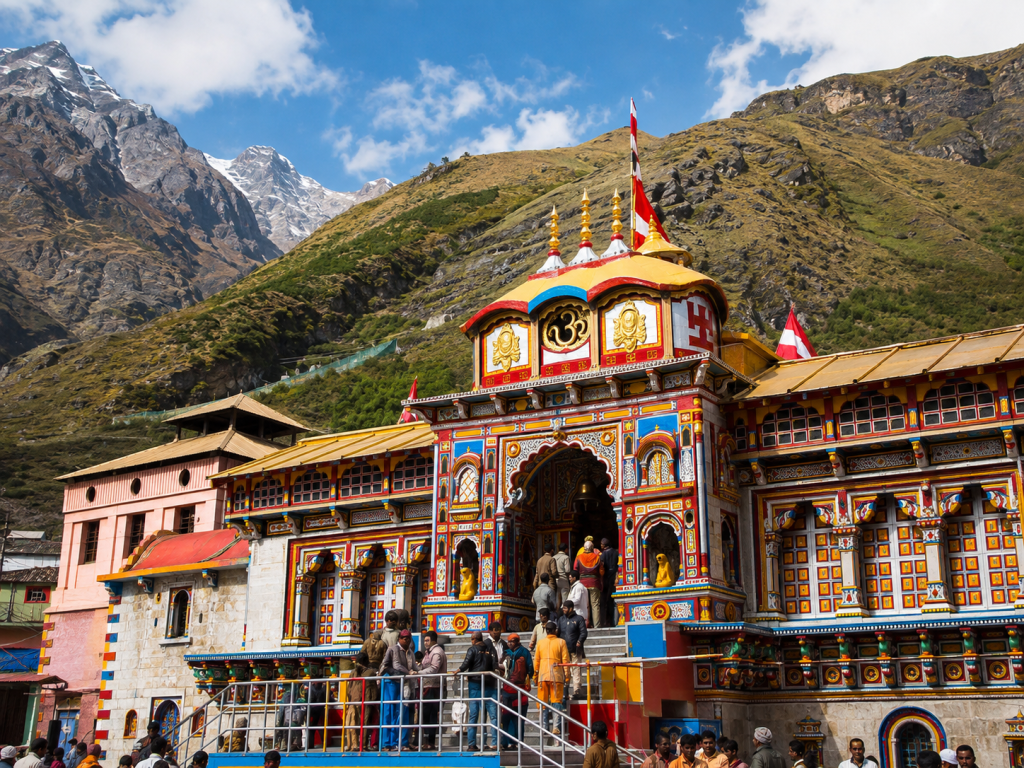
Badrinath is dedicated to Lord Vishnu in the form of Lord Badri Narayan and is one of Hinduism’s most important pilgrimage destinations. Unlike Kedarnath, pilgrims can reach Badrinath by road. However, the journey still passes through spectacular Himalayan landscapes before arriving at the temple town. The colourful façade of Badrinath Temple, the mountains surrounding the valley and the flowing Alaknanda River create an atmosphere very different from Kedarnath. While Kedarnath feels rugged and remote, Badrinath has its own distinctive spiritual energy within the Himalayan valley.
Why Visit Kedarnath and Badrinath Together?
A Kedarnath and Badrinath Yatra allows pilgrims to experience two great traditions of Hindu worship during one Himalayan journey. At Kedarnath, devotees seek the blessings of Lord Shiva. At Badrinath, they offer their prayers to Lord Vishnu. The physical experience of visiting each shrine is very different, yet the two destinations complement one another beautifully. Kedarnath requires greater physical effort to reach, while Badrinath offers a more accessible temple experience. Together, they create a pilgrimage that combines devotion, endurance, spectacular landscapes and centuries of sacred tradition.
The Journey Between Kedarnath and Badrinath Matters Too
A Himalayan pilgrimage is never simply about travelling from one temple to another. Between Kedarnath and Badrinath lie mountain roads, rivers, valleys, settlements and places associated with generations of pilgrims and Hindu tradition.
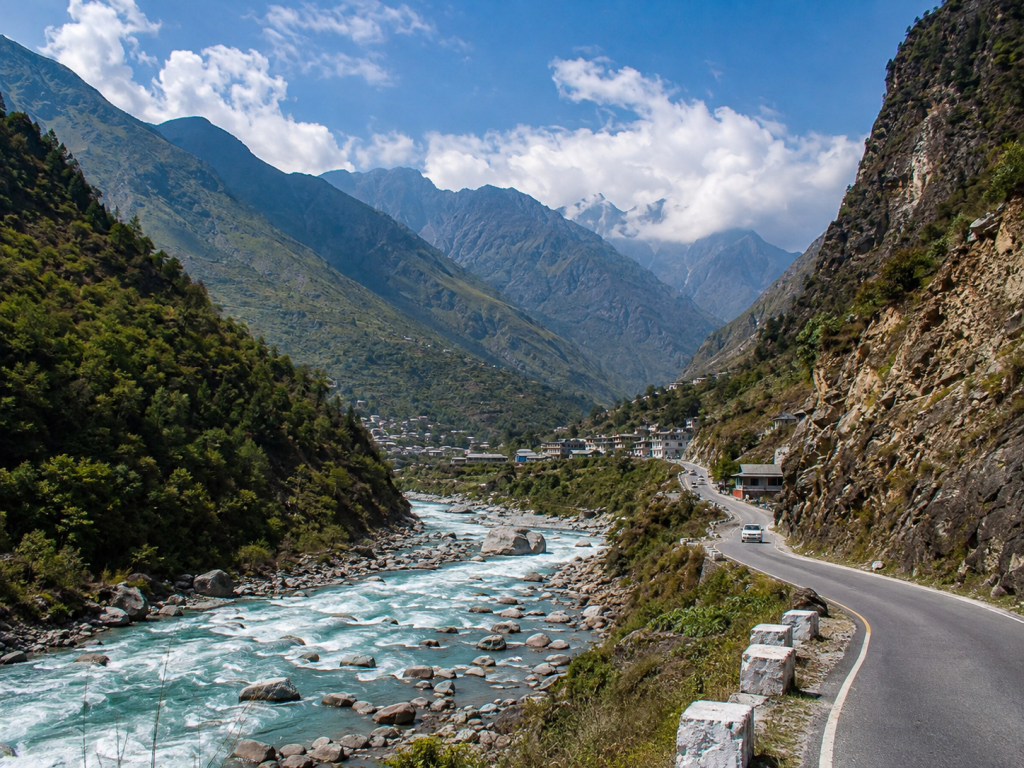
Travelling through Uttarakhand gives pilgrims an opportunity to experience the landscape that surrounds these sacred sites. It also provides valuable time to rest and reflect between one Dham and the next. In the Himalayas, the road itself often becomes part of the Yatra.
Mana Village Near Badrinath
Many Badrinath Yatra itineraries also include a visit to nearby Mana Village, located close to the temple town. The area is traditionally associated with stories from the Mahabharata and contains several places connected with Hindu tradition. For visitors, Mana offers another glimpse into the fascinating relationship between mythology, pilgrimage and Himalayan geography. Surrounded by mountains and dramatic landscapes, it can be a memorable addition to a visit to Badrinath.
Is It Better to Combine Kedarnath and Badrinath?
For international travellers, particularly pilgrims travelling a considerable distance to India, combining Kedarnath and Badrinath can make both practical and spiritual sense. One Himalayan journey provides an opportunity to receive darshan at two extraordinary sacred destinations. However, the itinerary should never feel rushed. Mountain journeys can take longer than expected because of traffic, road conditions or weather. Adequate rest and sensible travelling times are especially important when the itinerary also includes the Kedarnath trek. A well-planned Kedarnath–Badrinath Yatra should feel like a pilgrimage rather than a race between temples.
Kedarnath and Badrinath — Two Temples, Two Experiences
Kedarnath and Badrinath may be part of the same Himalayan pilgrimage, but each leaves a very different impression. At Kedarnath, you may remember the mountain trail, the cold Himalayan air and the enormous peaks rising behind the temple. At Badrinath, you may remember the colourful temple façade, the Alaknanda River and the beautiful valley surrounding the shrine. Yet after returning home, the two experiences often become part of one larger memory — a journey through Devbhoomi, the Land of the Gods. From Kedarnath Ji to Badrinath Ji, it is a pilgrimage that can remain in the heart long after the mountains disappear from view.
Har Har Mahadev. Jai Badri Vishal.
You May Also Like
- Kedarnath Yatra Guide: Everything You Need to Know Before You Go
- How Difficult Is the Kedarnath Yatra? What Pilgrims Should Know
- Spiritual Significance of Kedarnath: Why Shiva Devotees Visit
Planning your Kedarnath–Badrinath Yatra from Malaysia? Hamsa-Vahini Travel & Tours has been connecting travellers with India for over three decades. Speak to us about our upcoming pilgrimage journeys.
