

Best Time to Visit Kedarnath: Weather & Yatra Months
If you are planning a Kedarnath Yatra, one of the first questions you may ask is: When is the best time to visit Kedarnath?
Unlike many pilgrimage destinations in India, Kedarnath cannot be visited throughout the year. Its high Himalayan location means that winter brings extremely cold conditions and heavy snowfall. During this period, Kedarnath Temple closes and the worship of Lord Kedarnath continues at Ukhimath.
The Kedarnath pilgrimage season normally begins when the temple reopens in spring and continues until its autumn closing date. The exact opening and closing dates vary from year to year according to the Hindu religious calendar. For example, the official Uttarakhand Yatra portal announced 22 April as the opening date for Kedarnath in 2026.
So, within the pilgrimage season, what is the best time to visit Kedarnath?
There is no single month that will suit every pilgrim. Weather, rainfall, crowds, temperature and personal comfort all play a part.
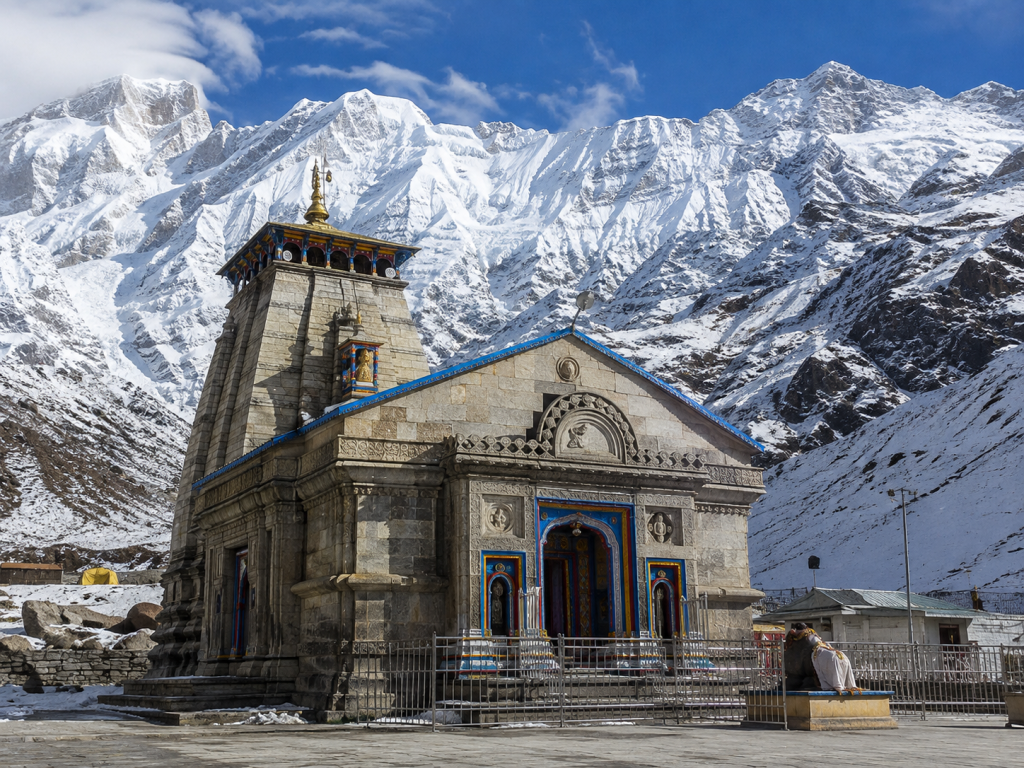
Best Time to Visit Kedarnath at a Glance
For many pilgrims, the most favourable periods are generally May to June and the post-monsoon period from later September into October.
May and June offer the excitement of the early pilgrimage season, while September and October can bring clearer mountain scenery and fewer of the weather concerns associated with the peak monsoon.
However, conditions in the Himalayas can change quickly. Pilgrims should always check current weather, road conditions and official Yatra instructions before travelling.
Is May the Best Time to Visit Kedarnath?
May marks the early part of the Kedarnath Yatra season in most years. The reopening of the temple creates tremendous excitement, and thousands of devotees travel towards Kedarnath for darshan after the long winter closure. Snow may still remain on the surrounding mountains, giving the landscape a particularly dramatic appearance.
However, pilgrims should not mistake May for warm summer weather. Kedarnath sits at a high altitude, and mornings, evenings and nights can still feel very cold. Anyone travelling during this period should carry sufficient warm clothing and prepare for changing mountain conditions.
Kedarnath Yatra in June: Weather and Crowds
June is traditionally one of the popular months for the Kedarnath Yatra. Daytime conditions may feel comparatively more comfortable than during the early part of the season, making June attractive to many pilgrims.
Its popularity also means that certain periods can become busy. Accommodation, transport points and the trekking route may experience heavier pilgrim movement. If you are considering June, planning arrangements well in advance can make the journey considerably easier.
Kedarnath During July and August
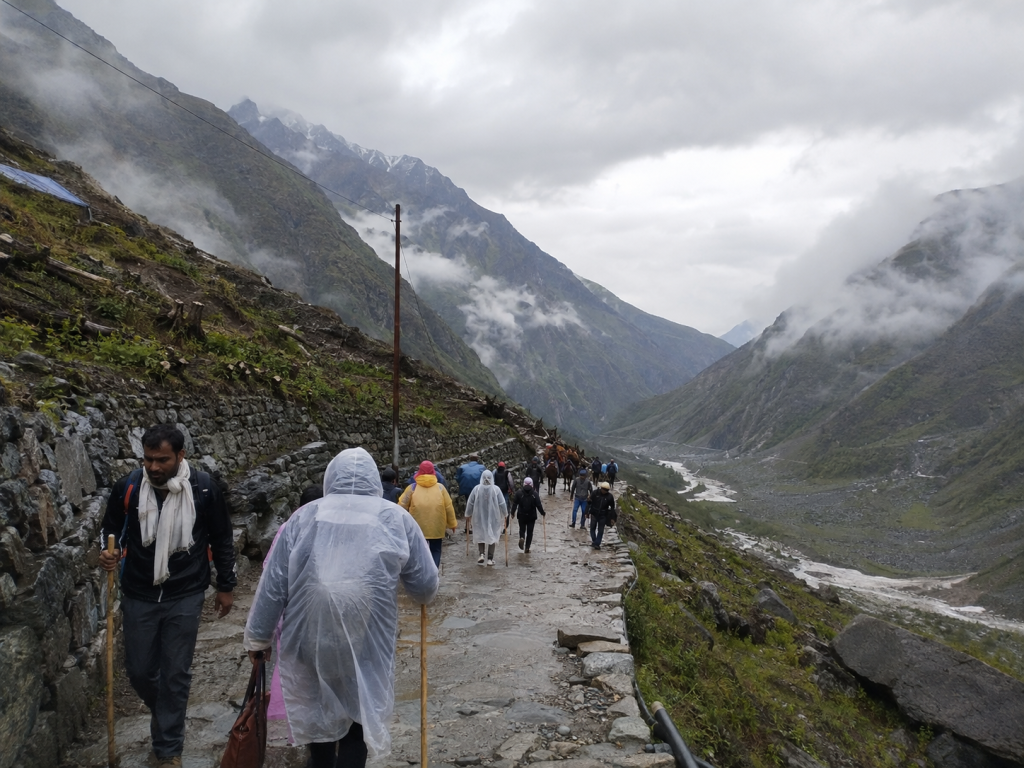
July and August fall within the main monsoon period in Uttarakhand. The Shri Badarinath Kedarnath Temple Committee describes the monsoon period around Kedarnath as extending from July to approximately mid-September, with regular rainfall and an increased possibility of landslides making travel more difficult.
Rainfall can affect mountain roads, trekking conditions and travel schedules. Heavy rain may also result in temporary road restrictions or changes to Yatra movement. For this reason, anyone travelling during the monsoon needs considerably more flexibility in their itinerary. Official travel advisories and instructions from the local authorities should always take priority over a fixed sightseeing or pilgrimage schedule.
Is September a Good Time to Visit Kedarnath?
September can be one of the most attractive periods for a Kedarnath Yatra, particularly as the month progresses. Early September may still experience monsoon conditions. However, as the heavier rains begin easing, pilgrims may experience greener landscapes and beautiful Himalayan views. Temperatures also begin getting cooler, especially at Kedarnath during mornings, evenings and nights. Therefore, warm clothing remains essential even if conditions at Haridwar, Rishikesh or other lower-altitude destinations feel relatively comfortable. September should still be approached with flexibility because mountain weather can change rapidly.
Visiting Kedarnath in October: Weather and Yatra Conditions
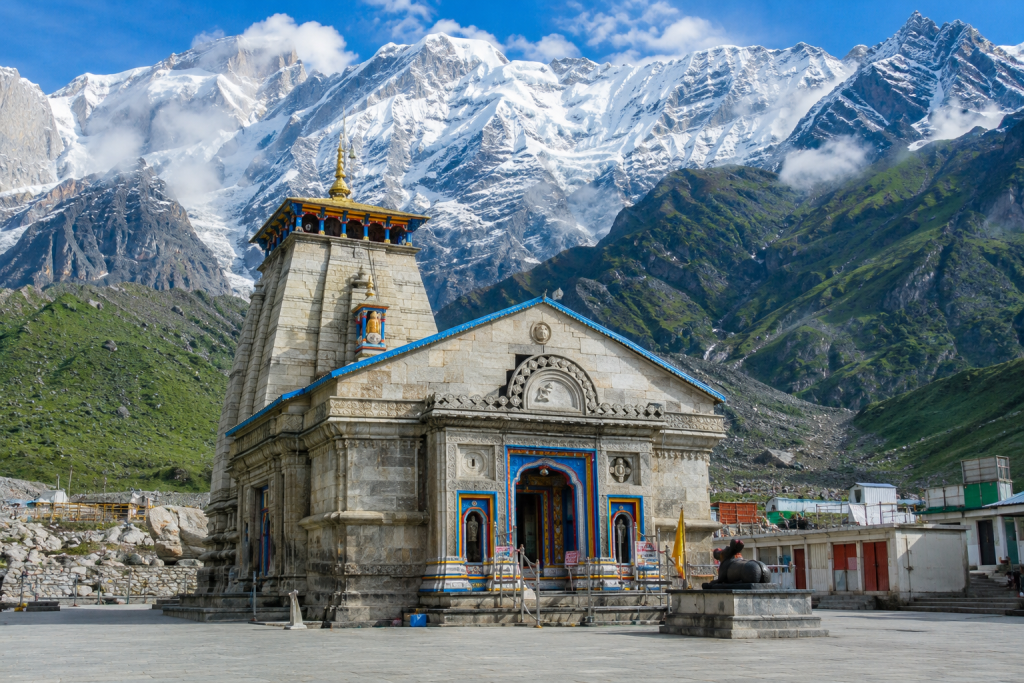
October brings a noticeably colder feel to Kedarnath as the Himalayas move towards winter. Clear autumn days can offer spectacular mountain scenery, while mornings and nights may become considerably colder. The pilgrimage season is also approaching its conclusion during this period.
Kedarnath Temple does not have the same fixed closing date every year. The Shri Badarinath Kedarnath Temple Committee explains that the shrine generally closes around October or November, depending on the religious calendar.
Anyone planning an October journey should therefore confirm the official temple closing date for that particular year before finalising arrangements.
What About Kedarnath in Winter?
Kedarnath is not a normal winter tourism destination. The temple region experiences very heavy snowfall, and the shrine closes during the winter season. The temple committee notes that Kedarnath can remain covered by several metres of snow during winter.
After the temple closes, the ceremonial representation of Lord Kedarnath is taken to Ukhimath, where worship continues during the winter months. Pilgrims wishing to visit Kedarnath Temple itself must therefore travel during the official Yatra season.
Best Time for Kedarnath Still Depends on the Weather
This is perhaps the most important point when deciding on the best time to visit Kedarnath. You can choose a generally favourable month. You can study weather forecasts. You can plan your itinerary carefully. Yet Himalayan weather can still change unexpectedly.
Rain, cold, cloud cover or road conditions may alter even a carefully planned journey. A successful Kedarnath Yatra therefore requires more than choosing the right month. Good preparation and a flexible attitude are equally important.
What Should You Wear for Kedarnath?
Layered clothing works well because temperatures can differ greatly throughout the journey. Haridwar or Rishikesh may feel relatively warm while Kedarnath can feel considerably colder during the same trip. Warm clothing, a suitable jacket and rain protection should remain easily accessible while travelling towards Kedarnath.
Avoid packing essential warm clothing at the bottom of luggage that you cannot reach during the journey. Conditions can change quickly, particularly once you begin travelling into the higher Himalayas.
So, Which Is the Best Month for Kedarnath Yatra?
The answer depends partly on what matters most to you. If you hope to see lingering snow on the surrounding mountains and enjoy the atmosphere of the early Yatra season, May may appeal to you.
If you prefer comparatively milder conditions but do not mind more pilgrims, June may be suitable. If you are considering July or August, remember that these months fall within the monsoon period and require greater flexibility because rainfall can affect both roads and trekking conditions. For pilgrims who prefer the later part of the season, later September and October can be attractive, although temperatures become progressively colder.
Your physical preparation also matters, particularly if you are concerned about the difficulty of the Kedarnath trek. Ultimately, the best time to visit Kedarnath is when you can undertake the Yatra well prepared, without unnecessary rushing and with enough flexibility to respect the changing conditions of the Himalayas.
Har Har Mahadev.
